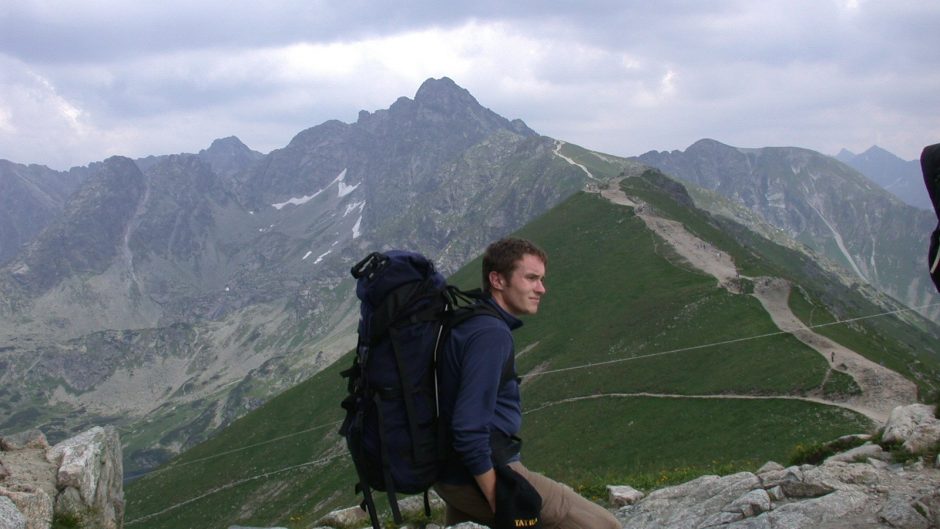
Backpacking er et begrep som historisk sett har blitt forbundet med hippie-bevegelsen på 60-tallet. Fenomenet ble popularisert gjennom det som kalles ” The 60s Hippie Hashish Trail”. Dette var en rute som startet i Europa og gikk til Thailand/India via Midt-Østen. Reisende langs denne ruten ble ofte kjennetegnet ved at de brukte lokal transport og lite penger.
Dagens situasjon er en litt annen. Til tross for at de fleste backpackere fortsatt søker seg til sør-øst Asia, så har ting utviklet seg i en mer kommersiell retning. Et stadig bredere flytilbud og lavere billettpriser har åpnet dørene for eventyrlystne nordmenn.
Man trenger ikke skru tiden mer enn femti år tilbake før det var ”utenkelig” for de fleste nordmenn å besøke Thailand. I disse dager er det mulig å fly direkte til Bangkok fra Oslo hver eneste dag, og tilbudet utvikler seg stadig.
En undersøkelse utført av Yougov viser at en av fem nordmenn tar ferie uten oppsparte midler.
Så mye koster det å være backpacker
Man kan ikke stikke under en stol at det å reise koster penger. Du bør alltid sette opp et budsjett før en slik tur. Budsjettet skal inneholde samtlige kostnader som har en innvirkning på at turen faktisk gjennomføres.
Feriebudsjettet: Dette er kostnader du skal regne med
 Dette er noen av kostnadene du bør inkludere i budsjettet ditt før avreise:
– Flybilletter
– Reiseforsikring*
– Hotellopphold (alt bør egentlig bestilles på forhånd)
– Reiseveske/sekk
– Klær til å takle ulike værhold
– Medisiner til nødstilfeller
– Guidede turer/opplevelsesferder
– Transport (bil, buss, båt)
– Visumkostnader
– Print av pass og andre viktige dokumenter
*= Du tenker kanskje at det å spare penger på å ikke kjøpe reiseforsikring kan være fristende. Mange går inn med mentaliteten om at ”det skjer jo uansett ikke meg”. Dagbladet skrev riktignok en artikkel om at flere syke nordmenn blir hentet hjem hvert eneste år. Når de ankommer Norge har de med seg en gigantisk regning i bagasjen, noe du i aller høyeste grad bør gjøre alt for å unngå.
Hvilke land er billige eller dyre å reise til?
 Til tross for at levekostnadene ofte er forholdsvis lave på backpackerferie, så kan transportkostnadene være høye. Her er en liste over noen av de mest populære landene å reise til som norsk backpacker:
– Kambodsja
– Kina
– Thailand
– Chile
– Argentina
– Filippinene
– Laos
– Vietnam
Landene på denne listen har to ting til felles.
For det første er mat-, hotell- og innenlands transport-kostnader betydelig lavere enn i Europa. For det andre ligger de geografisk sett et godt stykke unna Norge. Med andre ord vil ”inngangsbilletten” til ferien være dyr, men de løpende kostnadene vil være forholdsvis lave. Holder du deg til land i Sør-Amerika, Afrika og Asia vil du spare mye penger. Europa og Nord-Amerika er betydelig dyrere.
Hvor mye penger må man egentlig regne med at et backpacker-eventyr koster?
Totalprisen vil avhenge av utrolig mange ulike faktorer. Allikevel er det ikke uvanlig at en norsk backpacker bruker mellom 50,000 og 150,000 norske kroner på hele ferien. Da har alle kostnader blitt regnet med.
Ikke la disse summene skremme deg. Du har kanskje ikke mulighet til å legge ut rundt hundre tusen kroner for en ferie for øyeblikket. Heldigvis finnes det fortsatt muligheter for å finansiere ferien din på andre måter.
Få råd til å betale for turen
 Det finnes tre reelle alternativer til ekstern finansiering:
Forbrukslån
Et forbrukslån er et lån som kan brukes på nøyaktig det du vil. Ingen bankansatte vil noensinne spørre deg om hva pengene skal gå til. Mange anser dette som den enkleste løsningen å finansiere en litt dyr ferie på.
En annen fordel med et forbrukslån er at man selv kan velge nedbetalingstiden. Hvis du foretrekker å betale ned lånet over en lengre periode, så er ikke det noe problem. Når du søker forbrukslån på nett vil bankene alltid spørre deg hvor lang tid du tenker å bruke på nedbetalingen. Det koster ingenting å søke forbrukslån på nett – det er først når du har signert lånepapirene at du har en bindende kontrakt med banken.
Kredittkort
Mange kredittkort tilbyr reiseforsikring hvis man bruker det til å betale over 50 % av reisens kostnader. Dette er nok den eneste fordelen ved å finansiere backpacker-ferien på denne måten.
Problemet ved å bruke kredittkort er at nedbetalingstiden ofte er veldig kort. Hvis man ikke betaler tilbake pengene i løpet av et par måneder vil det begynne å løpe veldig høye renter på lånet. Dette bør man for all del unngå.
Lån av venner og/eller familiemedlemmer
Bekjentskapskretsen din vil muligens kunne hjelpe deg med å finansiere ferien din.
Fordelen med en slik løsning er ofte at man unngår renter og andre avgifter. Ulempen er selvfølgelig at man går rundt og skylder penger til folk man er glad i. Det finnes mange eksempler på at venne- eller familie-lån står sentralt i ulike konflikter. Vær også oppmerksom på at de færreste vil anse en backpacker-ferie som en særlig god investering. Til tross for at man lærer om nye kulturer, så er det fortsatt først og fremst en ferie.
Backpacker og økonomi: et sammendrag
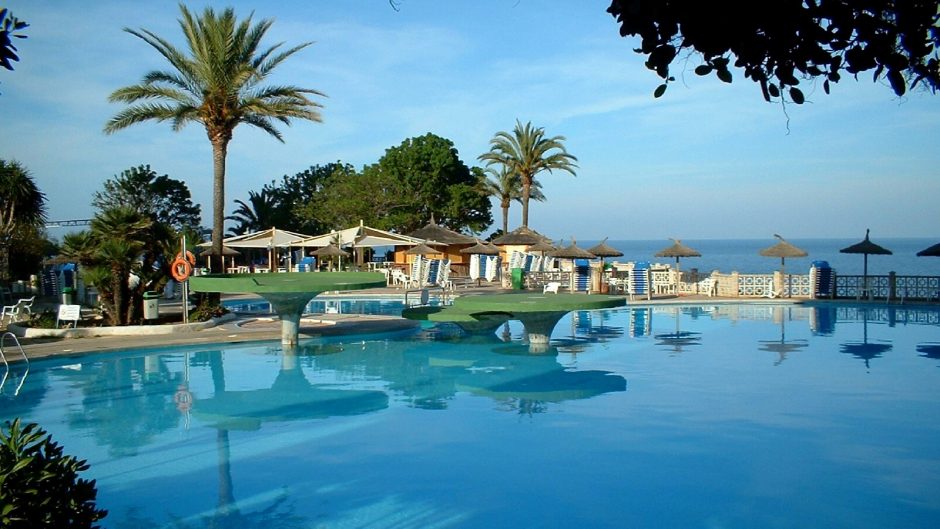
Bakcpacker-trenden er på ingen måte over. Mange unge nordmenn har et ønske om å ligge henslengt under palmer på et billig hotell i Asia og nyte paraplydrinker med likesinnede. Forståelig nok.
Alt som hindrer deg i å gjennomføre en slik reise er økonomien. I denne artikkelen har vi gitt deg tre mulige finansieringsalternativer. Forbrukslån, kredittkort og privat lån. Det er ikke anbefalt å finansiere en lengre reise med kredittkort – rett og slett på grunn av de høye rentekostnadene. Man kan få en betydelig lavere effektiv rente med et forbrukslån, noe som gjør det til et mer lønnsomt alternativ.
 Feriepengegrunnlaget tilsvarer den summen av arbeidsvederlag du mottok forrige år. Som arbeidsvederlag regnes all ordinær lønn, uavhengig om lønna er fast, eller provisjonsbasert.
 Har du rett til ferie i henhold til ferieloven, er det 25 virkedager ferie du har krav på, eller 4 uker pluss 1 dag. Dette fordi lørdag også inkluderes som virkedag (totalt 6 virkedager i uka), samt at du får den ene dagen på toppen. Totalt blir dette 25 dager.
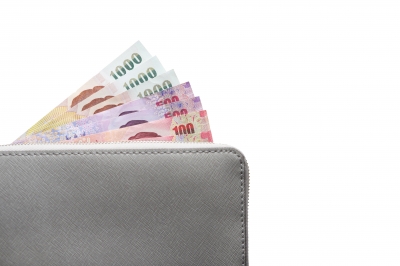 Ferieloven sier at du skal ha utbetalt feriepengene i forbindelse med ferieavviklingen, og sammen med siste lønn før ferien starter. For de aller fleste betyr dette at vi får pengene utbetalt i juni, sammen med lønningen for denne måneden.
 Mange norske banker tilbyr lån til ulike investeringsprosjekter. Slike lån kan man søke om på internett, og det tar bare et par dager å få svar på søknaden. Du trenger ikke oppgi hvilket formål pengene er tiltenkt. For å finne et billig lån kan du
  Utfallet av alle investeringer avhenger av to enkle faktorer. Den ene er hva du investerer i. Den andre faktoren er hvor mye penger du investerer. Selv om Bitcoin er den vanligste formen for kryptovaluta er den langt fra den eneste. I følge wikipedia finnes det rundt 1600 ulike valutaer å investere i. Alle har ulik verdi og tilgjengelighet.